
M
Michael
Greater Indianapolis
"Way less expensive than the big companies and way better quality too. Installers were great!"
Google Review
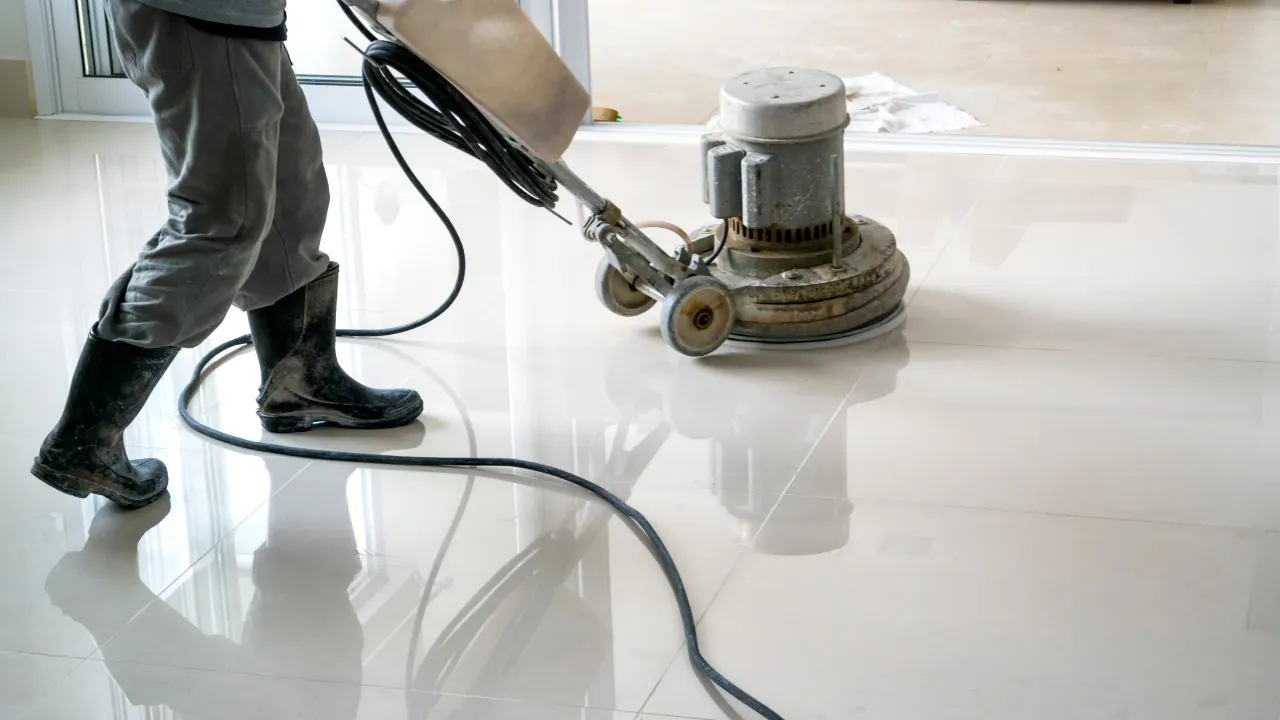
Steam mops, vinegar and oil soaps are all sold for floors and all bad for wood floors specifically. The damage is slow enough that nobody connects it to the cause.
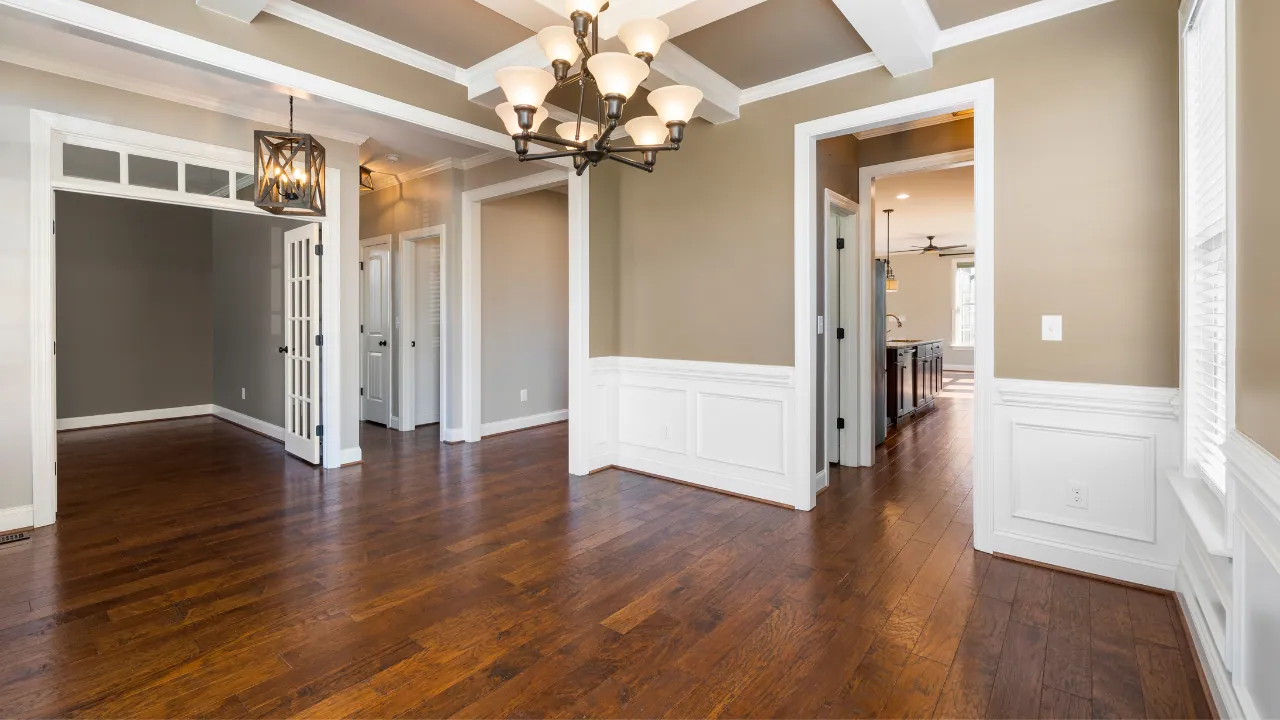
Most of the hardwood damage we get called about around Indianapolis was not caused by the family walking on the floor. It was caused by how the floor was cleaned. That is an easy mistake to make, because plenty of products sold for floors are wrong for wood floors, and the damage develops slowly enough that nobody links it back.
A hardwood floor is sealed on top, but the seams between boards are not. Standing water finds those seams, and a steam mop actively drives moisture into them under pressure.
The board edges take on that moisture, swell, and the floor begins to cup — edges sitting higher than the middle. Steam mops are excellent on tile and a slow way to destroy hardwood. By the time cupping is visible, moisture has been getting in for months.
Damp, never wet. That single rule prevents most of what we are called out to assess.
A cleaner made for hardwood, sprayed onto the mop head rather than poured on the floor, with the mop wrung out properly. That is the whole method.
The reason to buy a wood-specific product rather than improvise is that every common improvisation causes a specific problem. Vinegar is acidic and dulls polyurethane over time. Dish soap leaves a film that builds into a haze. Oil soaps leave a residue that is genuinely difficult to remove and that stops a new finish bonding if the floor is ever recoated — we have had to strip floors before we could recoat them because of it.
Sand and fine grit tracked in on shoes is abrasive, and every step grinds it into the finish. That is what wears a floor, far more than the walking itself.
So the highest-value maintenance is the least interesting: sweep or vacuum often, with the beater bar switched off or on a hard-floor setting. In central Indiana, where winter brings in road salt and grit alongside the wet, a decent mat at every entrance does more for a hardwood floor than any cleaning product.
Felt pads under furniture legs are the other one. They cost almost nothing and prevent the dragging scratches that are otherwise inevitable.
Our seasons swing hard — humid summers, dry heated air in winter — and wood responds by expanding and contracting slightly through the year.
That is normal. Thin gaps that open between boards in January and close again by summer are the floor behaving as it should, not a defect. What helps is keeping indoor humidity reasonably steady through the heating season, which reduces how far the boards travel in either direction.
What does not help is filling seasonal gaps. Filler pushed in during winter has nowhere to go when the boards expand in summer.
If the floor is clean and still looks dull, cleaning harder will not fix it. What you are seeing is a worn finish, which is a different problem.
The quick test: run a fingernail across a mark. If it catches, the damage is into the wood. If it does not, it is surface-level and the finish is what needs attention rather than the wood.
Factory-direct pricing across Indianapolis, Carmel, Fishers, and the surrounding metro. Quick installs of upper-end USA products - most projects wrap in 1 to 2 weeks, backed by a 1-year labor warranty plus the manufacturer's lifetime warranty - up to a 50-year hard surface lifespan.