Skip to content
Save 50% on Flooring
Serving Central Indiana Call (317) 721-8022
TFPros - Transitional Flooring Professionals
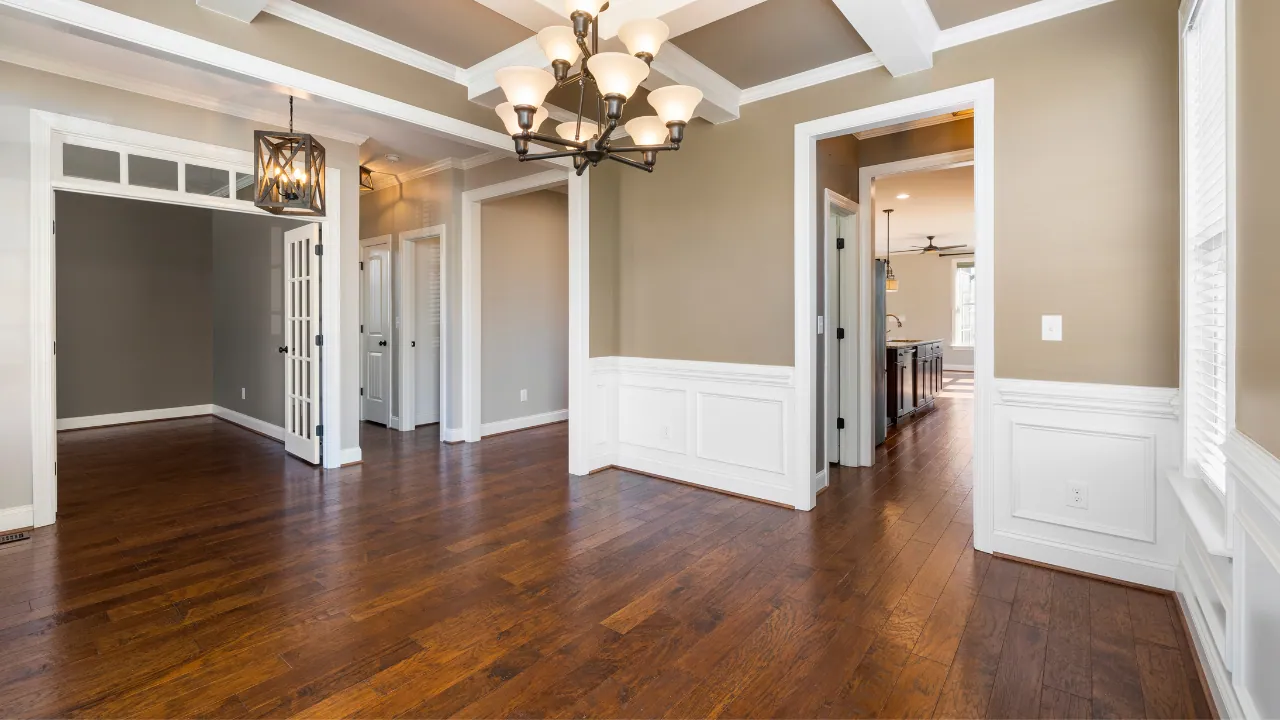
Wide-plank wood-look floor running through an open kitchen with in-floor heat
Buying Guides

Flooring Over Radiant Heat: Which Floors Work and What to Ask First

Radiant heat changes the material list before anything else does. Which floors handle a warm slab or heating mat, which ones do not, and the questions to settle before a plank is ordered.

· 7 min read

November is when radiant floor heat earns its keep. A warm floor in a basement, bathroom or kitchen is one of the most comfortable things a house can have, and it is more common around central Indiana than people expect, especially in newer custom builds, finished basements and bathroom remodels. But a heated floor is hard on some flooring and fine for others, and the rules come from the flooring manufacturer, not from the heating installer. Here is what works over radiant heat, what does not, and what to ask before you choose. One thing to know up front: TFPros installs floors. We do not install, repair or adjust heating systems, so the heating side is for your HVAC or radiant contractor, and we work to the limits they and the flooring manufacturer set.

The two kinds of radiant heat

Hydronic radiant heat runs warm water through tubing, usually embedded in a concrete slab or a thin layer of gypsum or concrete poured over a wood subfloor, and sometimes fastened up under the subfloor between the joists. It is common in basements, slab-on-grade houses and whole-house systems.

Electric radiant heat uses a thin mat or cable laid on the subfloor, usually set in a layer of self-leveling compound or thinset. It is the common choice for a single bathroom, a kitchen or a remodel, because it does not need a boiler.

The difference matters for flooring. Some products are approved over hydronic heat but not directly on an electric mat, and anything fastened with nails or staples is a risk wherever tubing or cable sits in or just under the subfloor. Before anything else, find out which kind you have and where it runs.

Why the floor cares

A heated floor does two things to the material on top of it. It warms it, which makes some materials expand and soften, and it dries it, because warm air near the floor carries moisture away. Wood is the most sensitive: it shrinks as it dries, so a heated wood floor in an Indiana winter is drier than the same floor anywhere else in the house.

That is why almost every flooring manufacturer that allows radiant heat sets conditions: a maximum floor surface temperature, often around 85 degrees Fahrenheit, sometimes lower; a gradual warm-up rather than a sudden change; and humidity kept within a stated range. The exact numbers are on the product's installation instructions, and they are the numbers that decide whether the warranty holds. Flooring warranties covers why that matters.

Engineered hardwood: the usual wood choice

If you want real wood over radiant heat, engineered hardwood is usually the answer. Its plywood core is cross-laminated, so it moves far less than a solid board as it warms and dries. Most lines are approved over radiant heat when they are glued down or floated, and many over both hydronic and electric systems, within the manufacturer's temperature limit.

Expect some seasonal movement even so. Thin gaps between boards in mid-winter are normal for wood over a heated floor, and keeping indoor humidity in the range the manufacturer gives is the best defence. Gaps in hardwood floors in winter explains what is normal. Engineered hardwood covers the product itself.

Solid hardwood: usually ruled out

Solid 3/4-inch hardwood is the floor we recommend least over radiant heat. A solid board shrinks and swells across its width far more than an engineered one, and a heated floor pushes it to the dry extreme every winter. The result can be wide gaps, cupping and cracked boards. It is also normally nailed down, which is a problem where heating tubing sits in or under the subfloor.

Some manufacturers do allow narrow solid boards in a quartersawn cut over certain radiant systems, under strict conditions. If solid wood matters to you, we will look at what the specific product allows. In most heated rooms, engineered hardwood gives you the same real-wood surface with far fewer problems. Floating, glue-down or nail-down explains how each method affects this.

Luxury vinyl plank and laminate

Many luxury vinyl plank lines are approved over radiant heat, particularly rigid-core SPC products, within a maximum surface temperature. Vinyl softens as it warms, so going past that limit can lead to gapping, shrinking or planks that move. Some lines are approved over hydronic heat but have extra conditions over electric mats, so check the specific product. SPC vs WPC covers the difference between cores.

Waterproof laminate is often approved over hydronic heat and less often directly over electric mats. Laminate floats on an underlayment, and the underlayment has to be one the manufacturer allows with radiant heat as well.

Large dark rugs, heavy furniture with no legs and built-in platforms trap heat against a vinyl or laminate floor. Most instructions say not to cover large areas of a heated floor for that reason.

Carpet over a heated floor

Carpet works over radiant heat, but it slows the heat down. Carpet and pad both insulate, so a thick plush carpet on a thick pad can stop much of the heat from reaching the room. If you want carpet over a heated floor, choose a denser, lower carpet and a pad rated for use with radiant heat, and ask your heating contractor whether the system can deliver enough warmth through it. Carpet installation in Indianapolis covers fiber and pad.

Before and after the install

If the heat is in a new concrete slab or a fresh pour, the slab has to dry before any floor goes on it, and the heating contractor often runs the system for a period to help. We test concrete for moisture before we install over it. Subfloor prep explains why.

Most manufacturers then ask for the heat to be turned down or off for a period before installation and brought back up gradually afterwards, a few degrees a day, rather than switched straight to full. The exact schedule is in the product's instructions. Tell us when you book that the floor is heated, and we will plan the dates around it.

One more caution for electric mats: a new floor should not be cut, nailed or screwed into where the mat sits. Know where the mat and the thermostat sensor are, and keep a photo of the layout before the floor covers it.

What to ask before you choose

Is the heat hydronic or electric, and is it in a slab, a thin pour, or under the subfloor? Is this flooring product approved over that system, and with which install method? What is the maximum surface temperature, and can the thermostat be set to stay under it? What humidity range does the product need in winter? Does the underlayment or pad have to be a specific type?

We serve Carmel, Westfield, Indianapolis and the surrounding counties. Book a free in-home consultation and tell us the floor is heated. We will check the subfloor, look at what the products you like allow, and recommend a floor that suits the heat.

Frequently asked questions

What is the best flooring over radiant floor heat?
Engineered hardwood is the usual choice for real wood, because its cross-laminated core moves much less than solid wood as it warms and dries. Many luxury vinyl plank and laminate lines are also approved over radiant heat within a maximum surface temperature. Always check the specific product's installation instructions.
Can solid hardwood go over radiant heat?
It is generally not recommended. Solid boards shrink and swell more than engineered ones, and a heated floor dries them every winter, which can cause wide gaps, cupping and cracking. Solid hardwood is also usually nailed, which is a risk where heating tubing runs in or under the subfloor.
Can luxury vinyl plank go over heated floors?
Many lines can, especially rigid-core SPC products, as long as the floor stays under the manufacturer's maximum surface temperature, which is often around 85 degrees Fahrenheit. Some products have extra conditions over electric mats, so check the specific line.
Does carpet work over radiant heat?
It does, but carpet and pad insulate, so they slow the heat. Choose a denser, lower carpet and a pad rated for radiant heat, and ask your heating contractor whether the system can deliver enough warmth through it.
Ready when you are

Book a free in-home design consultation.

Factory-direct pricing across Indianapolis, Carmel, Fishers, and the surrounding metro. Quick installs of upper-end USA products - most projects wrap in 1 to 2 weeks, backed by a 1-year labor warranty plus the manufacturer's lifetime warranty - up to a 50-year hard surface lifespan.

Google Reviews

What homeowners say about working with TFPros.

CH
Colleen Haddas
Greater Indianapolis

"Great quality flooring at an excellent price point. Loved that I did not have to find my own installers, salesman was knowledgeable, and the job was done quickly. Would recommend!"

Google Review
D
Daniel
Greater Indianapolis

"Had them out to quote the floors in my rental house. The process was quick, easy, and no gimmicks. Loved their selection and prices."

Google Review
B
ben
Greater Indianapolis

"Best quality products on the market and the installers were easy to communicate with. Would highly recommend."

Google Review
HM
himanshu malik
Greater Indianapolis

"Great flooring company to work with. I have worked with them on their tech infra. Chase is very professional in their dealings."

Google Review
M
Michael
Greater Indianapolis

"Way less expensive than the big companies and way better quality too. Installers were great!"

Google Review