
HK
Haleigh Kessler
Greater Indianapolis
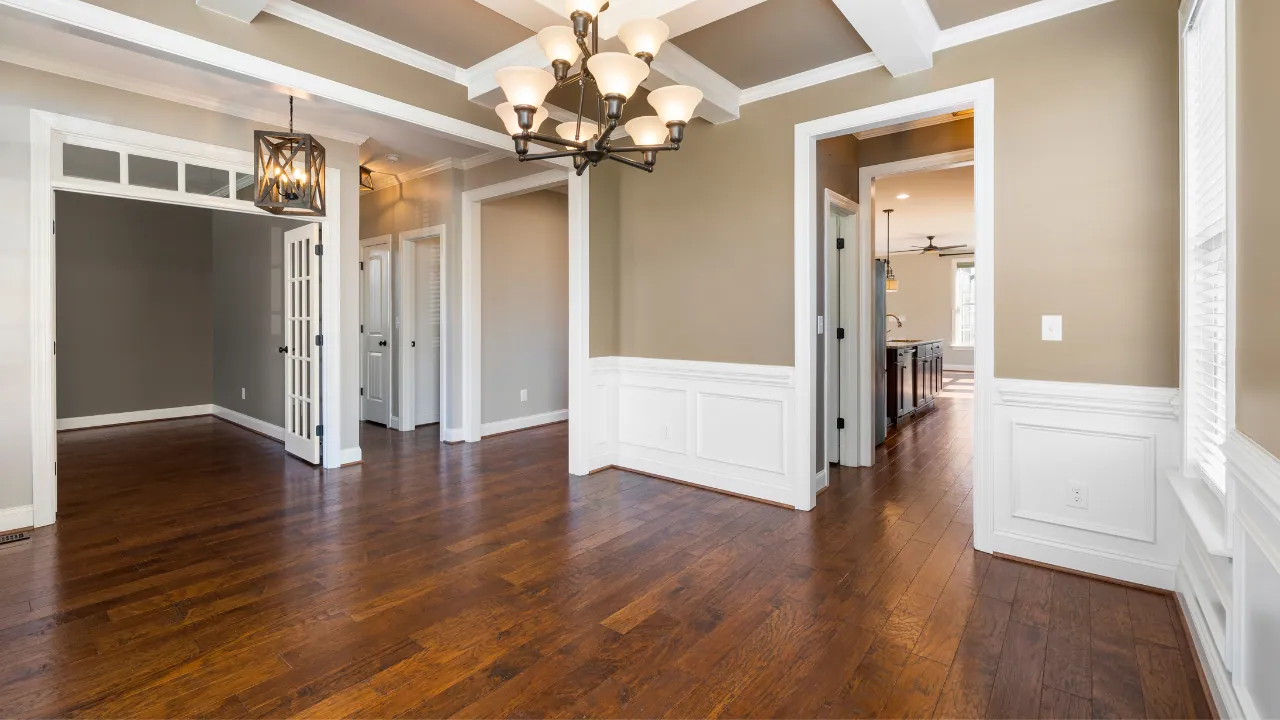
"My floors look so amazing! Beautiful craftsmanship. They did my entire upstairs in one day. Very professional and I am so happy with the results."
Google Review
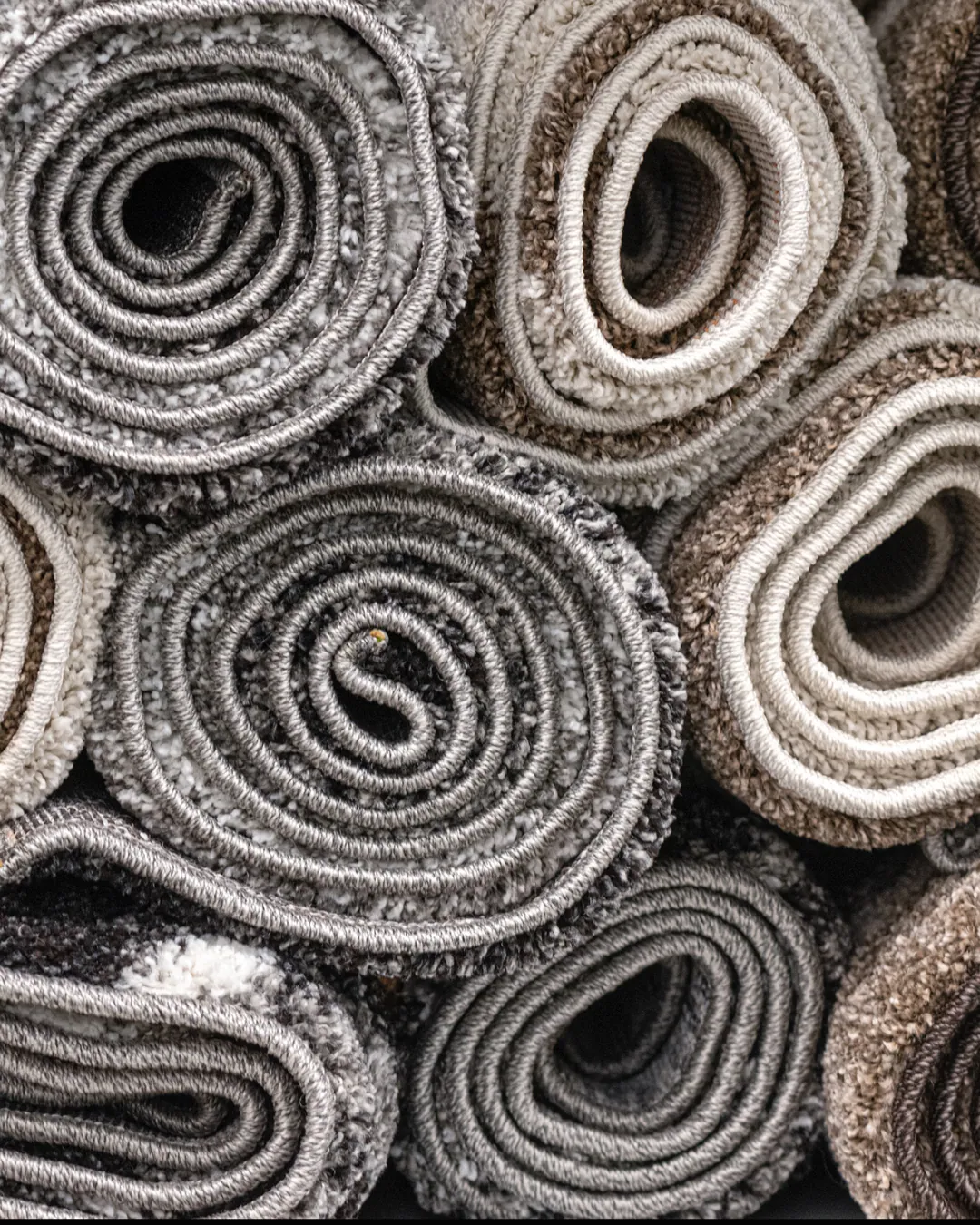
Hard surface has taken over most of the house, but carpet still clearly wins in bedrooms, on stairs and in media rooms. Here is how to choose it well.
Luxury vinyl and hardwood have taken over the main living areas of most homes we work in, and that is usually the right call. But carpet has not gone anywhere, and there are rooms where it is still plainly the better choice. If you are putting carpet in an Indianapolis home, these are the decisions that matter.
Bedrooms are carpet's strongest case - warm underfoot on a cold Indiana morning, quiet, and soft. Even households that have gone entirely hard-surface elsewhere often keep carpet here.
Stairs are the safety argument. Carpeted stairs give grip and reduce the consequence of a slip, and they cut the noise of people going up and down dramatically. Hardwood stairs look beautiful and are considerably less forgiving.
Media rooms and finished basements come down to acoustics. Carpet absorbs sound instead of reflecting it, which is why a home theater on hard surface sounds harsh. In a basement it also solves the cold-slab problem directly.
And any room that has started to feel too loud. A house that has gone fully hard-surface often sounds echoey, and homeowners frequently do not diagnose why.
Nylon is the most resilient common carpet fiber. Resilience means fibers spring back after being compressed rather than staying crushed, and that is exactly what decides whether a traffic path through a room turns into a visible track. It costs more and earns it anywhere that sees real use, which makes it the sensible spec for stairs and busy rooms.
Polyester is naturally stain-resistant because the fiber does not readily absorb liquids, and it is often softer and less expensive. Its weakness is resilience - it mats down sooner under sustained traffic. In a guest room that is a fine trade. In a hallway, less so.
Triexta combines good stain resistance with better resilience than polyester and is worth asking about.
Wool is the premium natural option with excellent resilience and a feel synthetics approximate but do not match, at a price to match.
Cut pile has the fiber tips cut open for a soft, plush surface. Plush and Saxony are smooth and formal, and they show footprints and vacuum marks - some people love that look and some find it maddening. Frieze, with tightly twisted fibers, hides footprints and traffic better than almost anything else and is the practical choice for a busy household.
Loop pile leaves the loops intact. Berber is the familiar version, durable and good at hiding soil, with the caveat that a snagged loop can run. If you have cats, think twice about loop pile.
Cut-and-loop combines both to create pattern and texture, which is very effective at disguising soil and wear.
The useful rule: the more texture and pattern, the more it hides. A smooth plush shows everything.
This is where homeowners economize, and it is the wrong place to do it.
The pad absorbs the impact of every footstep. Without adequate cushion underneath, that impact goes straight into the carpet fibers and crushes them, and crushed fiber is what makes carpet look old. Quality carpet over a cheap pad wears out meaningfully faster than the same carpet over a good one - so saving on pad costs you on carpet.
The pad also determines how the floor feels and how quiet it is. Two identical carpets over different pads feel like different products. On stairs, density matters more than thickness, because too much thickness on a tread is actually unsafe.
If the budget is tight, buy a slightly less expensive carpet over a good pad rather than the reverse.
Grit. Almost all carpet wear is abrasion from soil tracked in from outside cutting fibers from within, and central Indiana delivers plenty of it between winter salt and slush and summer dust.
The highest-value thing you can do is stop it at the door. A proper entry mat and somewhere to leave wet shoes protects carpet further into the house more than any carpet feature does. After that, vacuuming regularly - and more often in traffic paths - is what actually extends carpet life.
The other Indiana consideration is that carpet and standing water are a bad combination. Padding holds moisture and nothing underneath gets airflow, so carpet that gets soaked is genuinely hard to dry properly. Keep it out of entries, bathrooms and laundry rooms, where waterproof luxury vinyl belongs instead.
Carpet needs to be stretched properly during installation, not just laid down. Under-stretched carpet develops ripples and buckles within a year or two, and that is an installation failure rather than a product failure.
Seam placement matters too. Seams should fall away from main traffic paths and out of direct sight lines where possible, which takes planning during the measure rather than improvisation on install day.
Subfloor still needs to be sound and clean, and any squeaks are far easier to fix while the floor is exposed than afterward.
Carpet is the category where seeing samples matters most, because the entire point is how it feels and no photograph conveys that. Walk on samples, press into them, and feel the difference between pads while you are at it.
We install carpet across Indianapolis, Carmel, Fishers, Greenwood and the rest of central Indiana. Book a free in-home design consultation and we will bring samples to your house so you can see colors in your own light.
Factory-direct pricing across Indianapolis, Carmel, Fishers, and the surrounding metro. Quick installs of upper-end USA products - most projects wrap in 1 to 2 weeks, backed by a 1-year labor warranty plus the manufacturer's lifetime warranty - up to a 50-year hard surface lifespan.