
B
ben
Greater Indianapolis
"Best quality products on the market and the installers were easy to communicate with. Would highly recommend."
Google Review
Worn floors cost you in the listing photos; premium floors rarely pay you back. What is worth doing before a sale, what is not, and how to work backwards from the photographer.
Sooner or later everyone getting a house ready for market asks the same thing: do the floors have to be done, or is that money I will never see again? We install floors for a living, so you might expect the answer to be yes. It is not always. Some flooring work clearly earns its place before a sale and some is money spent on the next owner's behalf, and the difference is fairly easy to see once you know what buyers are actually reacting to. One caveat up front: we are flooring installers, not real estate agents. Your agent knows what buyers in your price range expect, and that conversation should happen before you spend anything.
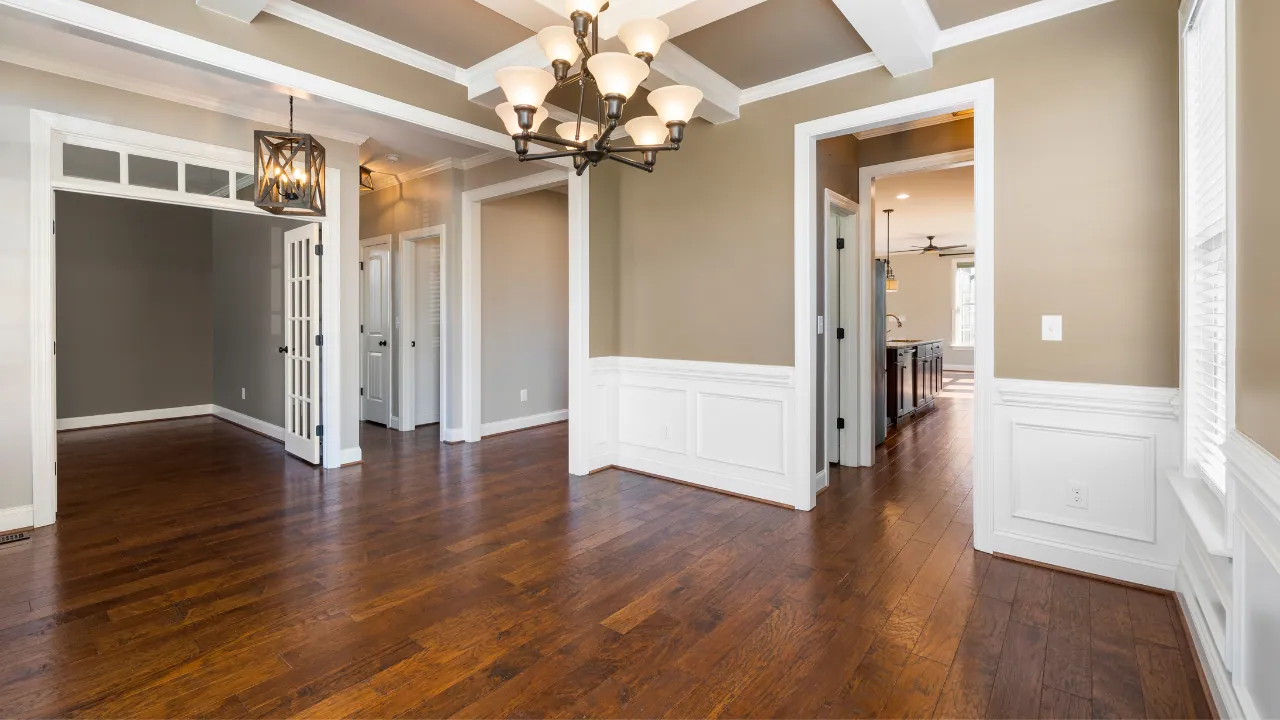
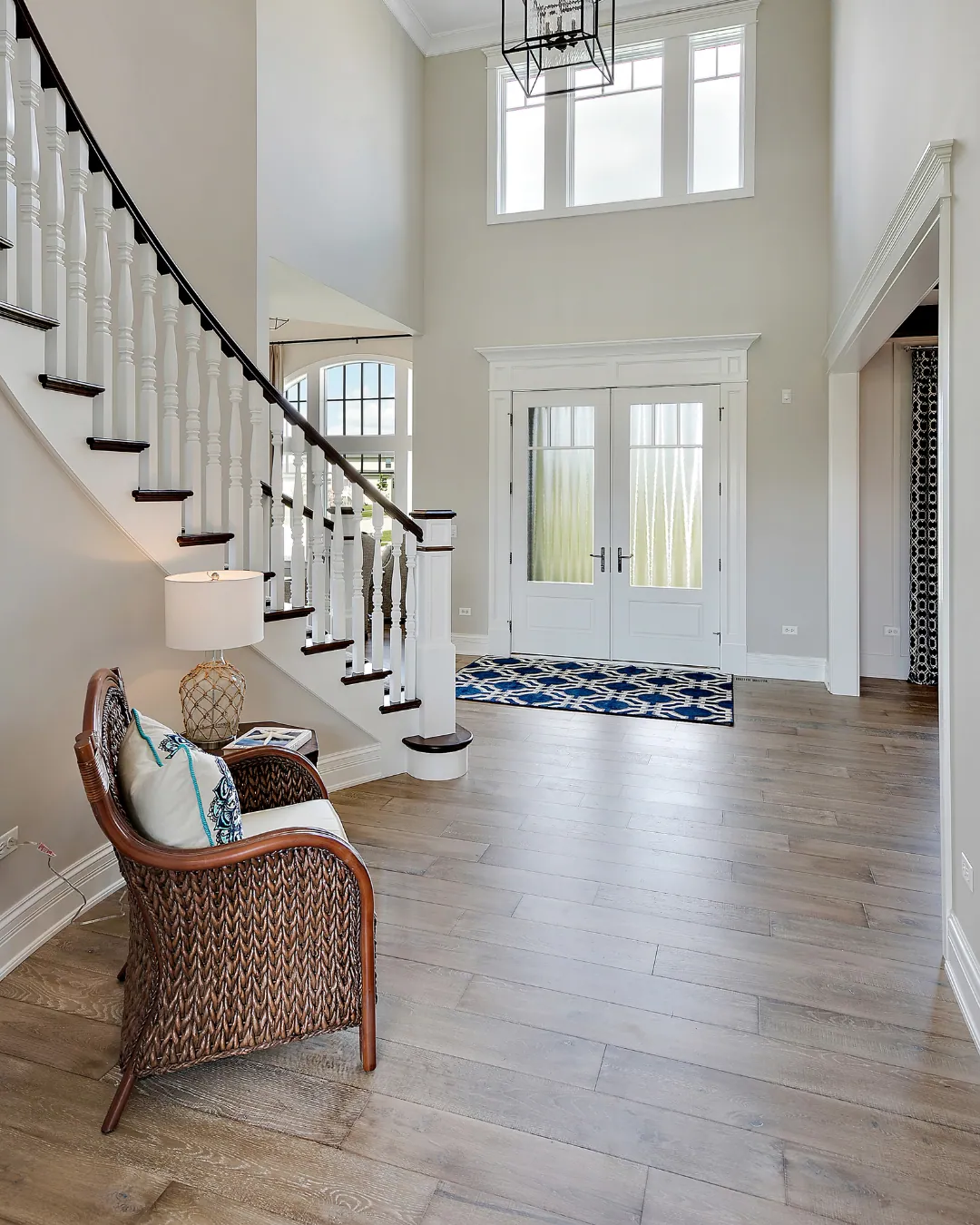
Almost every listing photo is partly a photo of a floor. It fills the bottom of every wide shot of every room, and it is the one finish that appears in all of them. A buyer scrolling on a phone has formed a view of the floors before reading a word of the description.
What registers is not quality so much as condition and coherence. Worn traffic lanes in carpet, stains, pet damage, a curling vinyl seam and a patchwork of four different floors across one level all read the same way to a buyer: work I will have to do, and a question about what else was let go.
What barely registers is the difference between a good floor and a premium one. That asymmetry is what the whole decision rests on.
Replacing carpet that is visibly worn, stained or carrying pet odor. Nothing discounts a bedroom faster, and nothing is more straightforward to fix. A neutral mid-grade carpet on a decent pad is the right level, and what carpet installation costs covers what should be in that quote.
Checking under the carpet first in an older house. If there is sound oak under there, exposing it is often a better result than new carpet. Hardwood under the carpet explains how to check in ten minutes.
Renewing existing hardwood rather than replacing it. Scratched, dull or orange-toned hardwood that is structurally sound is a refinishing candidate, and real hardwood in good condition is still the finish buyers in this market respond to most. Refinish or replace covers where that line sits.
Replacing a floor that is actually failing: curling sheet vinyl in a kitchen, cracked or lifting planks, swollen laminate by a door.
Replacing a sound floor because the color is not what you would choose today. Buyers repaint and refloor to their own taste, and a clean, intact floor in a dated tone is not the objection a worn one is.
Installing premium material in a house you are leaving. Wide-plank solid hardwood is a wonderful floor to live on for twenty years. As a pre-sale project it is rarely the sensible spend, because the buyer sees a good new floor, not the grade of it.
Over-improving for the street. The floors should be in line with what comparable houses nearby offer, and your agent is the right person to tell you where that level is.
Anything that will not be finished well before the photographer comes. A half-done project is worse than the floor you started with.
The brief is different when you are choosing for a stranger. You want neutral, durable, clean in photographs, and installed without drama.
For hard surfaces that usually means a wood-look plank in a mid-tone natural color. Standard vinyl plank is the one product where we publish a figure, $3 to $6 per square foot installed, and it is a good fit here: waterproof, inoffensive and quick to install. Luxury vinyl plank is the step up where the price bracket of the house calls for it, and what vinyl plank costs installed sets out the difference.
Avoid anything strongly of the moment. Colors near where wood naturally sits do not date, and choosing a floor color explains why.
If you are replacing more than one room on the same level, use one floor. A continuous surface makes a house look larger and more deliberate than three floors meeting at three doorways.
And do not economise on the part nobody sees. A cheap plank over an unprepared subfloor shows every ridge when daylight comes in low across it, and a buyer walking the house will feel it underfoot.
The deadline is not the listing date. It is the day the photographer arrives, and the floors need to be finished, cleaned and furnished before then.
Most standard residential installs take about one to two weeks depending on the product, the square footage and how much subfloor prep is needed, and a single room of click-together plank is often a day. Material lead time comes on top of that, and hardwood needs time to acclimate in the house before it goes down.
The usual order of work is messy jobs first, then painting, then floors, then a final touch-up of the baseboards. New carpet in particular should go in after the painters have gone.
An empty or half-packed house is the easiest possible install. If you are moving out before listing, flooring the house in that window is faster and tidier than working around furniture.
Soft spots, a slope, a musty basement, staining on a subfloor from an old leak - a buyer's inspector is looking for exactly these, whether or not there is a new floor over them. Laying new material over a moisture problem also tends to ruin the new material.
Indiana sellers complete a disclosure form about the condition of the property, and a new floor does not change what belongs on it. We are not lawyers, so take that question to your agent or attorney. From the flooring side the practical point is simple: fix the cause, then floor over it. We measure subfloor moisture before installing for exactly that reason, and subfloor prep covers what that involves.
The same logic runs in reverse for buyers. If you have just bought a house with floors you intend to change, the best time is between closing and moving in. Empty rooms mean no furniture to move, no living around the work, and a faster job.
It also helps to know what you are looking at during a showing. Worn carpet in an older house may be hiding hardwood. A patchwork of floors on one level is fixable. A soft or sloping floor is a question for your inspector, not a cosmetic issue.
We will walk the house, look under what is there, and tell you which rooms are worth doing before a sale and which are not. If the honest answer is to have the carpet cleaned and leave it alone, we will say so.
Financing is available on qualifying installs, and the consultation itself is free. If you are in Indianapolis or the surrounding counties, book a time and bring your listing date with you - the schedule is half the plan.
Factory-direct pricing across Indianapolis, Carmel, Fishers, and the surrounding metro. Quick installs of upper-end USA products - most projects wrap in 1 to 2 weeks, backed by a 1-year labor warranty plus the manufacturer's lifetime warranty - up to a 50-year hard surface lifespan.