
HK
Haleigh Kessler
Greater Indianapolis
"My floors look so amazing! Beautiful craftsmanship. They did my entire upstairs in one day. Very professional and I am so happy with the results."
Google Review
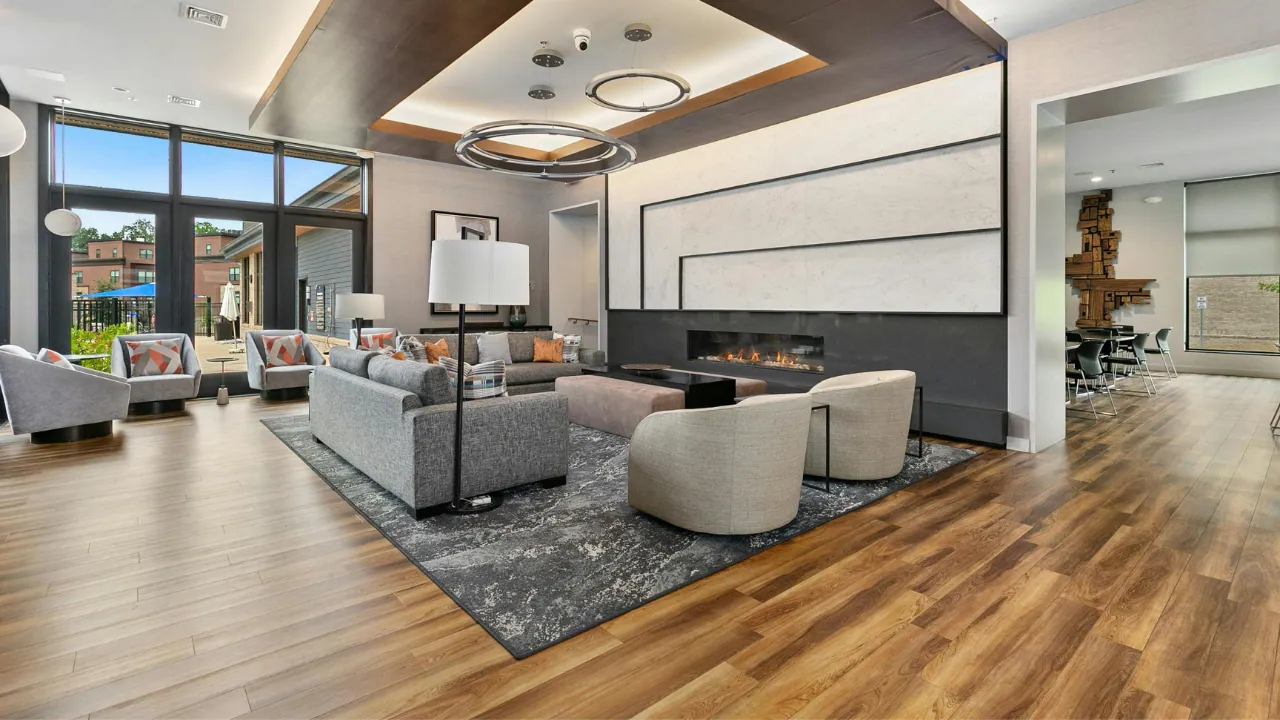
Most falls at home start with something small underfoot: a raised threshold, a loose rug, a slick finish. What makes a floor safer for staying in your home, and which changes matter most.
A lot of central Indiana homeowners plan to stay in the house they are in for the long run, and a lot of adult children are thinking about a parent's house with the same question in mind. The floor is a big part of whether that works. A raised edge at a doorway, a rug that slides, a glossy floor that gets slick when it is wet, or deep carpet that drags at a walker are small things until they are not. This guide covers what makes a floor safer and easier to live on as you get older, and which changes are worth making first.
Before choosing a floor, walk the house and look at every place the floor changes: doorways, the edge of the kitchen, the bathroom threshold, the step down into a family room. Raised thresholds and changes in floor height are among the most common things to catch a toe, and they become harder to manage with a walker, a cane or a wheelchair.
The single most useful change is often to run one continuous floor through the main living areas, so there is nothing to step over between the kitchen, the living room and the hallway. Where two floors do have to meet, the transition should be as low and gradual as the products allow, firmly fixed, and easy to see. Where two floors meet explains how transitions and height differences are handled.
A high-gloss finish looks beautiful and can be slippery, especially in socks or when it is wet. For an aging-in-place floor, a matte or low-sheen surface with some texture is usually the better choice. Many luxury vinyl plank and waterproof laminate lines have an embossed, wood-grain texture that gives the foot something to hold.
In wet rooms, grip and water resistance both matter. A bathroom floor needs to stay safe when there is water on it and to survive the splashes and drips without damage. Bathroom and laundry room flooring covers the water side; for grip, ask to see and feel the surface texture rather than going by the photo.
Luxury vinyl plank is the floor we recommend most often for this. It is waterproof, easy to keep clean, comes in textured surfaces, and it is warmer and slightly softer underfoot than tile. It also lets a walker or wheelchair roll easily, and it can run through the kitchen, living areas and bathroom as one floor.
Within vinyl plank, the core makes a difference. A WPC core is softer and quieter underfoot, which many people find more comfortable to stand and walk on; an SPC core is harder and better at resisting dents from heavy furniture and wheels. SPC vs WPC explains the trade-off.
Hardwood is still a good floor for many rooms, and plenty of people want to keep the floor they have. A matte finish, good rugs that are properly secured, and careful attention to transitions make a hardwood house safer to live in.
Carpet can be a good aging-in-place choice in bedrooms. It is warm, quiet and softer if someone does fall. But the type of carpet matters. Deep, plush, thick-pile carpet over a very soft pad is harder to walk on with a walker and harder to roll a wheelchair across.
The better choice is a lower, denser pile over a firm pad. It still feels soft underfoot, but it gives a stable surface and does not grab at feet or wheels. Bedrooms are the obvious place for it; most people find it easier to keep hard flooring in the hallway and main rooms. Carpet installation in Indianapolis covers fiber, pile and pad in more detail.
Loose throw rugs and runners are a well-known trip hazard: the edges curl, the corners flip, and on a smooth floor the whole rug can slide. If you keep rugs, choose ones with low, flat edges, use a non-slip pad underneath, and keep them away from the path between the bed and the bathroom.
On vinyl plank, use rug pads labeled safe for vinyl. Some rubber and latex backings react with vinyl and leave a permanent stain. Caring for vinyl plank and laminate covers this along with cleaning.
Stairs deserve their own attention. Treads should be secure and not slick, and the edge of every step should be easy to see. A stair nosing in a contrasting tone, or a slightly different finish, helps a lot as eyesight changes. Hardwood stairs and landings covers how stair treads and nosings are installed.
Contrast helps on flat floors too. Very busy patterns and strongly mixed plank colors can make it harder to judge where a step or a change in level is. A calm, even floor, with good lighting at doorways and stairs, is easier to read.
If a walker or wheelchair is already in use, or likely, the floor should be smooth, firm and continuous along the main routes through the house. Hard floors without raised thresholds are best for this. Choose a floor with a strong wear layer, since wheels and walker feet are hard on a surface, and check that furniture protectors are on anything that moves.
Floor height also affects doors. A new floor that sits higher than the old one can catch the bottom of a door, and doorways that are being widened at the same time should be planned together with the flooring, so the floor can run through cleanly.
Not every room has to be done at once. A sensible order is the main route first: the bedroom you sleep in, the path to the bathroom, the bathroom itself, the kitchen and the main living area. Upstairs bedrooms and rooms that are rarely used can wait.
It is also worth planning around the person living in the house during the work. Furniture has to move, and a room is out of use while its floor goes in. What happens during a flooring installation explains how a job runs so you can plan where to sleep and sit while it does.
The safest floor depends on the house and the person living in it, and that is easiest to judge in the house itself. At the free in-home consultation we walk the rooms, look at every threshold and step, and bring samples you can stand on, roll a walker across, and feel in socks.
If you are in Greenwood, Indianapolis or the surrounding counties, book a consultation. Adult children are welcome to join, in person or by phone.
Factory-direct pricing across Indianapolis, Carmel, Fishers, and the surrounding metro. Quick installs of upper-end USA products - most projects wrap in 1 to 2 weeks, backed by a 1-year labor warranty plus the manufacturer's lifetime warranty - up to a 50-year hard surface lifespan.